A Practical Guide to Creating and Maintaining a Flourishing Garden Pond
Discover practical steps for building a thriving garden pond, selecting british pond plants, and keeping water clear with low-maintenance care.
Planning a Resilient Garden Pond
Begin with a precise site and purpose in mind, choosing sun exposure, depth, and edging that suit local conditions. A well-planned pond supports a diverse range of aquatic life, from quiescent water to occasional wave action, without overwhelming surrounding plant life. Pond Cleaning Kent offers examples of seasonal maintenance that keep margins tidy and water clear, helping you imagine a naturalistic, low-stress water feature that still feels intentional.
In the early design phase, map zones for water lilies, marginal pond plants, and planting pockets along the rim. Consider a gentle slope at the edge to discourage algae buildup and provide stepping stones for maintenance. A thoughtful layout supports wildlife while guiding human interaction with the space, ensuring the pond remains a quiet focal point in the garden throughout the year.
Choosing Plants: Water Lilies and Their Friends
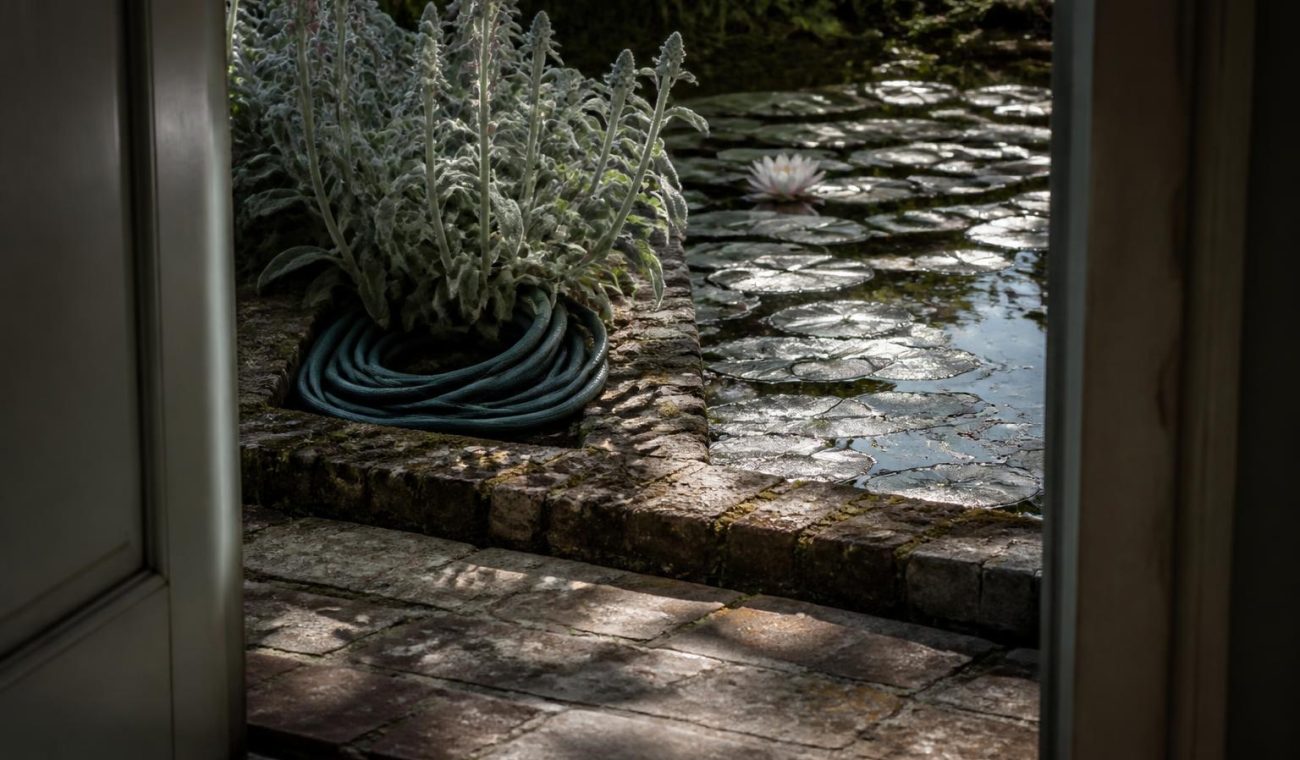
Water lilies bring architectural structure to a pond, with broad leaves that shade the water and reduce algal growth. When selecting varieties, mix hardy and tropical types for prolonged interest, watching for bloom times that stagger through spring and summer. Pair them with marginal pond plants that fill the shallows, creating a layered, refuge-like underwater habitat that feels natural rather than artificial.
British pond plants, including robust marginal species, thrive when positioned to receive morning sun and afternoon shade. Use deeper pots for lilies to prevent root circling, and maintain consistent moisture to extend flowering. This balance yields a picturesque, restful scene where blossoms punctuate the greenery without overpowering the tranquil water surface.
Edging and Structure: Materials That Do Not Dominate
Choose edging materials that blend with the garden’s ecology while preventing soil from washing into the pond. Recycled timber, natural stone, and low metal trims can frame the water without drawing attention away from plants. A soft transition between land and water invites wildlife, making the pond feel like a natural extension of the garden rather than a separate feature.
Consider a shallow shelf around the edge to plant marginal pond plants, which provide shelter for insects and amphibians. The shelf also simplifies weeding and pruning, keeping the pond neat while preserving its organic rhythm. An unobtrusive structure helps the water remain the star of the scene, with plants performing a steady, visual chorus around its borders.
Maintenance Routines: Simplicity that Delivers Consistency
Establish a weekly cadence for skimming debris, checking water levels, and inspecting hardware such as pumps and filters. A straightforward routine minimizes disruption during peak growing seasons and allows the garden to breathe between tasks. Regular mulch around the planting pockets reduces weed pressure and helps retain soil moisture for adjacent pond plants.
Seasonal checks should include a light pruning of marginal pond plants and careful removal of spent lily pads to encourage new growth. By keeping a calm, predictable rhythm, you create a pond that remains healthy and visually cohesive, even in changing weather. The result is a serene water feature that requires minimal daily attention yet rewards with consistent beauty.
Natural Filtration and Water Quality
Healthy ponds rely on a balance of mechanical filtration, biological processes, and plant activity to maintain clear water. Introduce oxygenating plants and a judicious mix of submerged and marginal species to foster beneficial bacteria and reduce nutrient buildup. With steady filtration and a routine, algae becomes a manageable challenge rather than an overwhelming burden.
Monitor sunlight exposure, as excessive sun can accelerate algae growth and deplete oxygen at night. If needed, adjust plant spacing to optimize shading and surface coverage. A well-conceived plant matrix—featuring water lilies and british pond plants—works in tandem with a clean, efficient filter to preserve a calm, reflective surface.
Wildlife Sightlines: Encouraging a Quiet Ecosystem
Design for a spectrum of garden visitors by ensuring safe harbor for amphibians and diving insects. Plant margins that offer shelter and basking spots near the water’s edge invite natural life to settle without attracting nuisance species. Thoughtful siting of rocks and logs also creates microhabitats that enhance biodiversity and overall pond resilience.
Keep disturbance to a minimum around the pond during critical breeding periods and avoid heavy lawn runoff into the water. By prioritizing gentle, uninterrupted spaces, the garden becomes a sanctuary where birds, insects, and shy frogs can thrive alongside the ornamental plantings, maintaining a harmonious, no-people atmosphere that still feels inviting to observers.
Seasonal Transitions: From Spring Bloom to Winter Quiet
Spring ushers in rapid growth for water lilies and marginal pond plants, so plan staggered pruning and nutrient management to support new shoots. A careful feeding plan, aligned with rising temperatures, helps establish a robust canopy and steady flowering. As temperatures drop, reduce feeding and protect delicate roots with a light mulch layer to guard against frost.
Autumn tasks include removing spent foliage and tidying margins to prevent decomposing material from clouding the water. Prepare the pond for winter by ensuring adequate depth and, if necessary, adding a safe de-icer for the open water. A well-executed seasonal routine preserves plant health and water quality across the colder months, readying the pond for a fresh start in spring.
Texture and Practical Tips
- Place a sunken log or stone feature near marginal plants to create microhabitats.
- Use a mix of big-leaf water lilies and compact varieties to balance scale.
- Group british pond plants by moisture needs to simplify care.
Keep reading
 Home
Home
Practical Guide to Transforming Your Home and Garden: From Interior Touches to Outdoor Gardening
 Real Estate
Navigating the Real Estate Landscape: Practical Strategies for Buyers, Sellers, and Investors
 Casino