Practical Home Garden Solutions: From Interior Comfort to Outdoor Growth
A practical guide blending home improvement, interior comfort, and gardening for a cohesive living space.
Planning a Cohesive Home Garden Vision
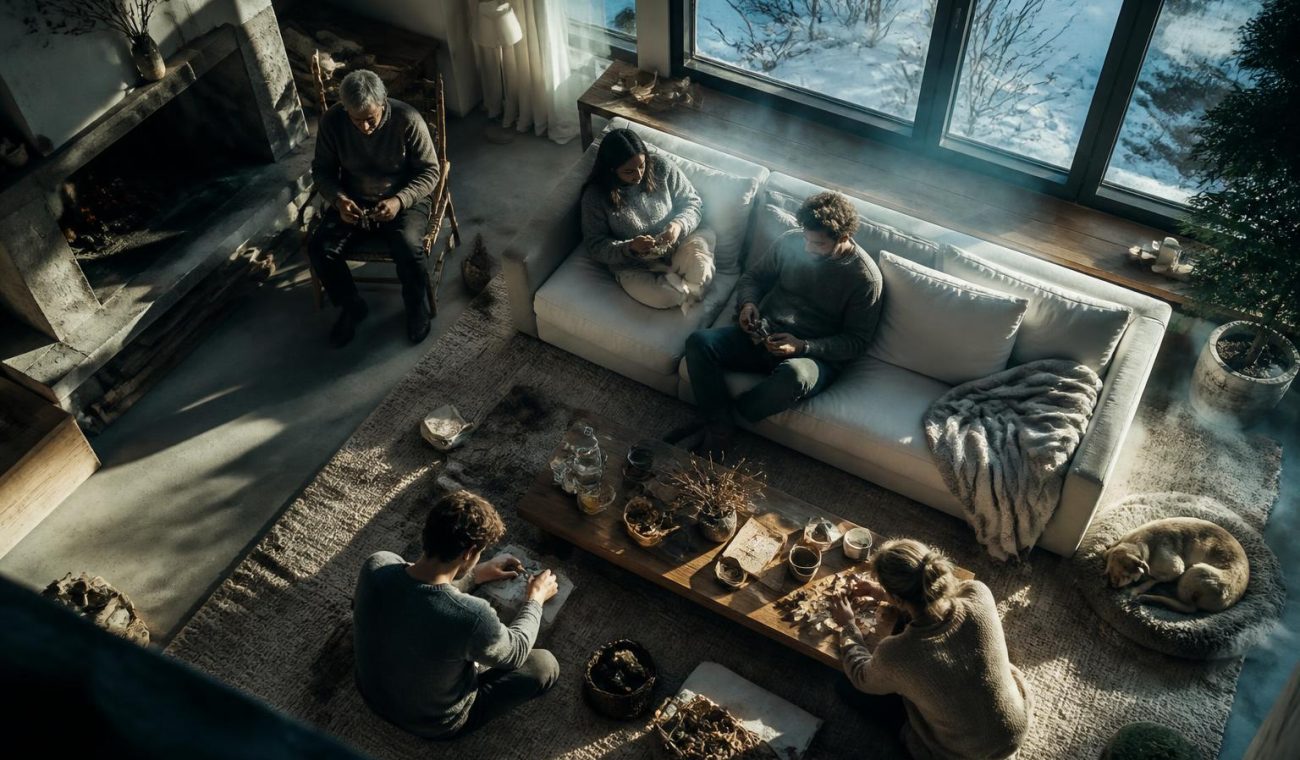
Setting a clear vision for your space is the foundation of successful home improvement and gardening projects. Start by sketching zones for relaxing interiors and productive exteriors, then refine with lighting, seating, and planters that echo your decor style. As you survey your yard, consider sun exposure, soil types, and water access to guide plant choices and layout decisions. laser scanning equipment can help map terrain precisely, informing accurate builds and plant alignment across both indoor and outdoor areas.
Begin with a simple mood board that blends warm neutrals, natural textures, and greenery. Translate that palette into both interior accents and outdoor furnishings to ensure a seamless flow from living room to patio. Think about practical improvements like retractable screens, weathered timber decking, and energy-efficient lighting that enhances ambience while supporting daily activities such as cooking, reading, and entertaining.
Soil, Microclimates, and Planting Fundamentals
Healthy gardening starts with soil assessment and microclimate awareness. Test soil pH, organic matter, and drainage, then choose plants that thrive in your climate and light conditions. Incorporate raised beds or container gardens to optimize accessibility for all ages, and pair perennials with season-long annuals for continuous color. This practical approach reduces maintenance while elevating your home’s exterior decor with living texture.
Enhance soil biology with composting and mulching, which preserve moisture and suppress weeds. Select plants with complementary bloom times to extend the visual interest from spring through autumn. Practical garden design also considers paths, edging, and irrigation planning to minimize waste, ensure efficient watering, and keep the landscape cohesive with interior color themes and furniture styling.
Water-Wise Techniques and Practical Irrigation
Efficient irrigation is essential for both gardens and indoor plant shelves. Install drip lines or soaker hoses for targeted watering, reducing evaporation and waste. Group plants by water needs, and use weather-based controllers to adapt to rainfall and temperature changes, ensuring consistent growth without overuse. Proper irrigation supports vibrant foliage and healthy root systems, which in turn boosts your home’s curb appeal.
Mulching, rain barrels, and drought-tolerant species create a resilient outdoor space that mirrors the calm of interior décor. Consider decorative containers that double as functional planters, maintaining an aesthetic link to indoor styling. By planning water use and maintenance routines, you can enjoy thriving plants while keeping your water bill and environmental impact in check.
Decks, Patios, and Exterior Living Rooms
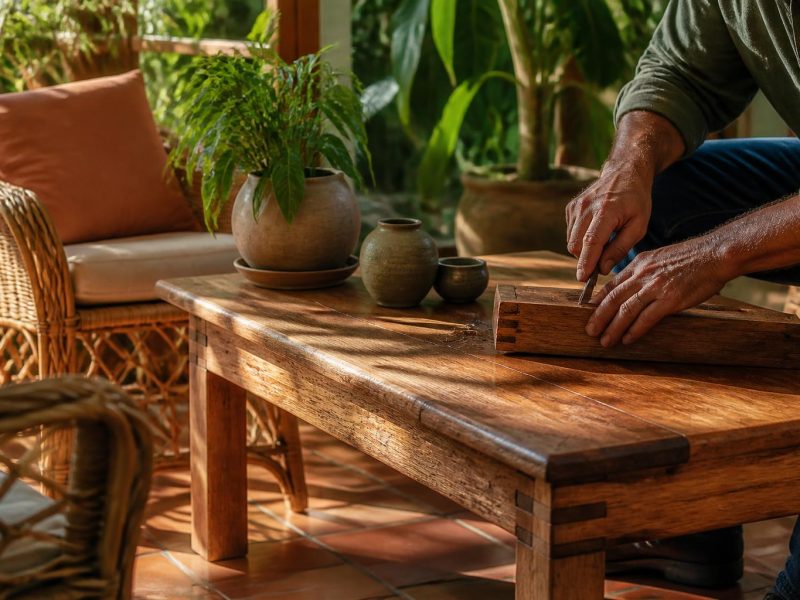
Transform exterior spaces into extensions of your interior with durable, stylish materials and thoughtful layouts. Build a weather-resistant deck or patio with furniture that reflects your decor ethos, such as woven textures for a tropical vibe or clean lines for a modern look. Integrate lighting, outdoor rugs, and planters to create cohesive zones for dining, lounging, and gardening tasks after dusk.
Vertical gardens or trellises add visual height and green interest without crowding the ground, making small yards feel expansive. Use color-blocked pots and uniform planters to create a gallery-like display that harmonizes with indoor shelving and wall art. Practical choices—non-slip surfaces, shaded seating, and accessible planting beds—improve usability for all ages while elevating the overall tone of your home’s exterior decor.
Interior Spaces That Embrace Natural Elements
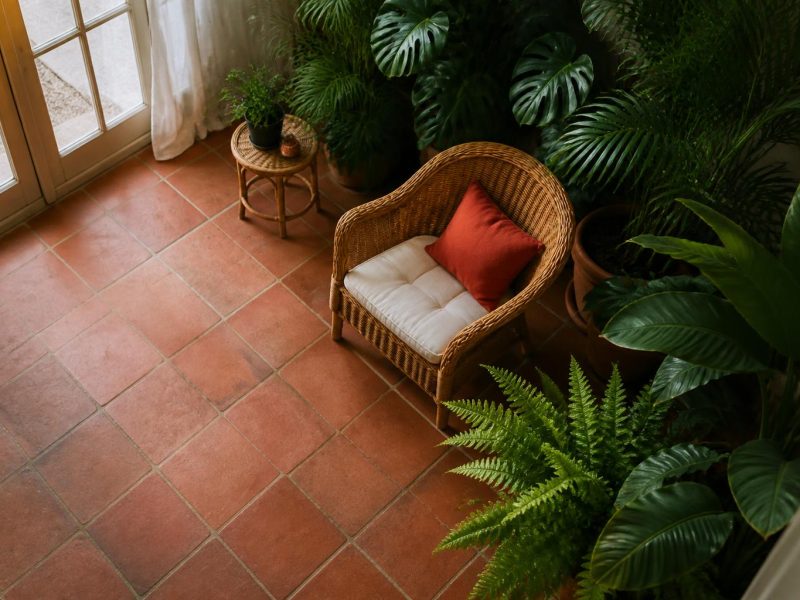
Interior design thrives when it echoes outdoor textures and plant life.Choose materials with warmth and durability, such as cork flooring, sandstone countertops, and ceramic tiles that mimic nature. Incorporate built-in planters, fern shelves, and terrariums to blur the line between interior and garden, creating a living environment that supports both mindfulness and socializing while staying easy to clean and maintain.
Consider two-tone cabinets or wood accents that reflect the exterior’s natural palette. Use greenery as living art—hanging baskets, tabletop succulents, and topiary can anchor a room’s decor without overcrowding surfaces. Thoughtful storage that hides clutter complements a serene interior while echoing the garden’s orderly simplicity and sustainable design principles.
Seasonal Maintenance Routines and Tools
Establishing predictable maintenance routines keeps both interior and exterior spaces thriving. Create monthly tasks for pruning, repotting, cleaning, and refreshing textiles, aligning them with seasonal shifts. Keep a simple inventory of tools, soils, and fertilizers to minimize waste and ensure you always have what you need for timely care across home improvement and gardening projects.
Smart storage for garden and household supplies reduces clutter and supports a calm living environment. Invest in versatile tools like extendable pruners, foldable kneelers, and modular shelving that adapts as your needs evolve. A routine that blends interior upkeep with garden care promotes long-term health for plants and furnishings, preserving your decor’s cohesion year after year.
Low-Impact Hairstyles for Your Outdoor Rooms
Organic textures and low-maintenance plantings contribute to a relaxed, durable outdoor aesthetic. Choose drought-tolerant grasses, native shrubs, and flowering perennials that require minimal intervention while providing year-round structure. Pair these plant selections with outdoor fabrics and cushions designed to resist fading and humidity, ensuring your space remains comfortable and inviting across seasons.
Incorporate pollinator-friendly species and edible garden elements such as herbs and compact vegetables. This approach creates a living tapestry that looks deliberate and thoughtful, aligning with interior-inspired colors and forms. By selecting resilient, attractive plant material, you support a vibrant environment that is both practical for upkeep and beautiful to behold inside and out.