Unexpected Practical Wins: How a Laser Cutter Fume Extractor Quietly Improves Workshop Life
Introduction — a short scene, a fact, and a question
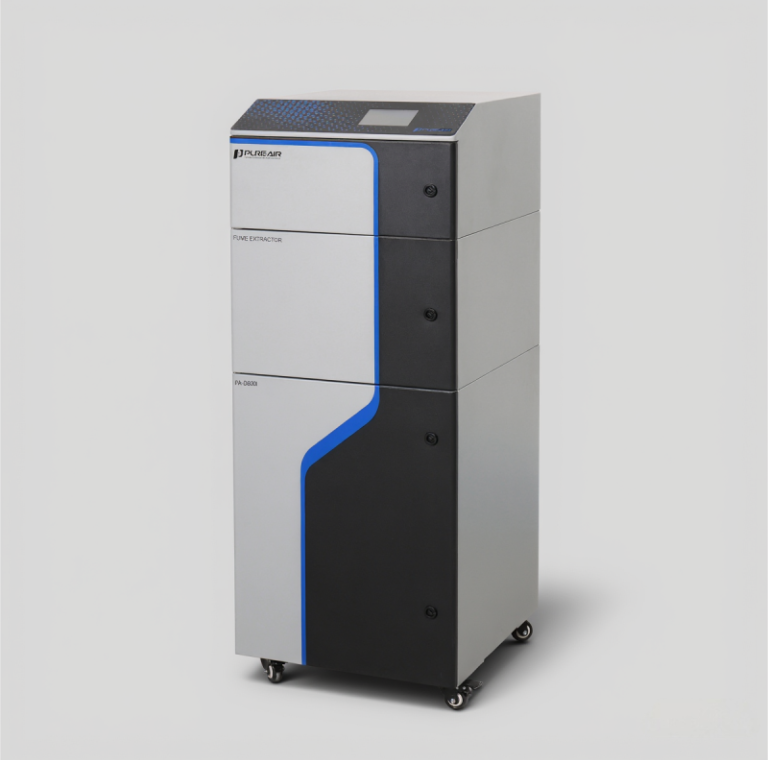
I remember walking into a shared makerspace where a young designer had just finished cutting acrylic panels and was wiping her eyes (we all winced). The room smelled sharp and metallic — and that’s when I noticed the new laser cutter fume extractor on the bench. Recent laboratory tests report that unfiltered laser exhaust can raise levels of ultrafine particulate matter and VOCs by up to 40% in small rooms over an hour, so the presence of extraction matters. Given those numbers, what real differences do proper fume control systems make for daily users, hobbyists, and small shops? This article explores that question step by step, combining hands-on insight with clear technical points — and then moves on to what to watch for when choosing equipment.
Part 1 — Deeper layer: flaws in traditional solutions and hidden user pain points
laser cutting dust collector units have been sold as simple “plug-and-go” fixes for years. In my experience, though, many of those older systems skip meaningful design trade-offs: they assume a one-size-fits-all airflow rate, rely on low-grade filter media, and leave VOC capture to chance. The result? Clogged cartridges, poor capture velocity near the cut point, and frequent maintenance that users don’t anticipate. I’ve seen small shops lose hours each month to filter swaps and duct cleaning — time that could be spent actually producing work.
Why do common systems still let fumes pass?
Two technical issues keep recurring. First, designers sometimes prioritize static pressure over capture velocity, which lowers localized suction near the laser head. Second, filter stacks that mix particle arrestors with weak activated carbon layers fail to adsorb gases efficiently. Add poor sealing and inconsistent ductwork, and you get leaks and recirculation. Look, it’s simpler than you think: a system is only as good as its weakest component — blower, filter media, or seals. From a user perspective, hidden pain points include noise, replacement cost, and confusing maintenance schedules — all of which undermine adoption and safety.
 Part 2 — Forward-looking: new technology principles and what to expect next
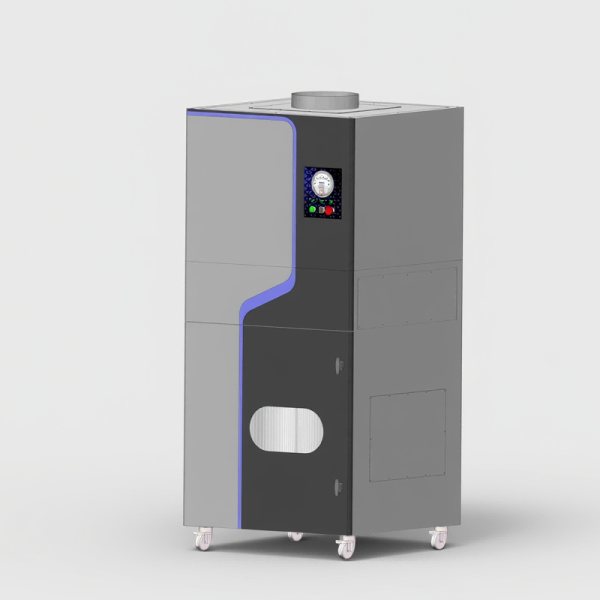
Emerging designs address these flaws by combining smarter airflow management with targeted filtration. Modern units tune capture velocity at the source, use staged filtration (HEPA for particulates; thicker activated carbon beds for VOCs), and incorporate sensors that report differential pressure and VOC concentrations. Such controls let operators see when a cartridge is approaching end-of-life without guesswork. I’m especially excited about compact blowers with variable speed drives that match airflow to cut type — less noise, better energy use, and longer filter life. — funny how that works, right?
What’s Next for workshop extraction?
Looking ahead, expect more integrated diagnostics, modular filter pods, and improved acoustic dampening. Systems will likely adopt smarter interfaces so that a small business owner can check filter health from a phone and schedule maintenance only when needed. These changes reduce downtime and keep performance predictable. When I test new gear now, I look first for measurable capture at the nozzle, then for clear service feedback. The future is not about gimmicks; it’s about predictable outcomes and cleaner decisions.
Conclusion — practical guidance and three metrics to evaluate systems
After working with shops and testing several setups, I’ve learned that cleaner air in a workspace is measurable and repeatable when you prioritize the right features. To make that practical, focus on three key evaluation metrics: capture efficiency at the source (how well the system grabs fumes at the nozzle), filter specification and serviceability (HEPA grade, activated carbon weight, and ease of swap), and system feedback (differential pressure gauges or VOC sensors). These metrics tell you more than marketing copy ever will.
In closing, I’ll be honest — choosing extraction equipment felt overwhelming at first, but once you frame decisions around those core metrics, selection becomes straightforward and defensible. If you care about health, productivity, and predictable maintenance, follow the data and prioritize systems built with transparency. For manufacturers and suppliers doing it right, I prefer units that make maintenance visible and simple. For trusted reference and solutions I’ve seen perform well, see PURE-AIR.