How I Plan for Big Gains with Advanced Red Light Technology at Home
Introduction — a small scene, a clear question
I once watched an elderly neighbor use a small lamp every evening, hopeful that it would ease his aches. He kept a careful log: evenings used, hours per session, and a smile when stiffness eased. In my reading and testing, advanced red light technology shows measurable effects on circulation and cellular repair, with studies noting changes in mitochondrial activity and irradiance thresholds. What can a practical person do to get the best results, reliably and simply? (I ask this because I want to help you avoid wasted time and money.) Let us move from that small scene into specific choices you can make next.
Where common solutions fail: uncovering practical pain points
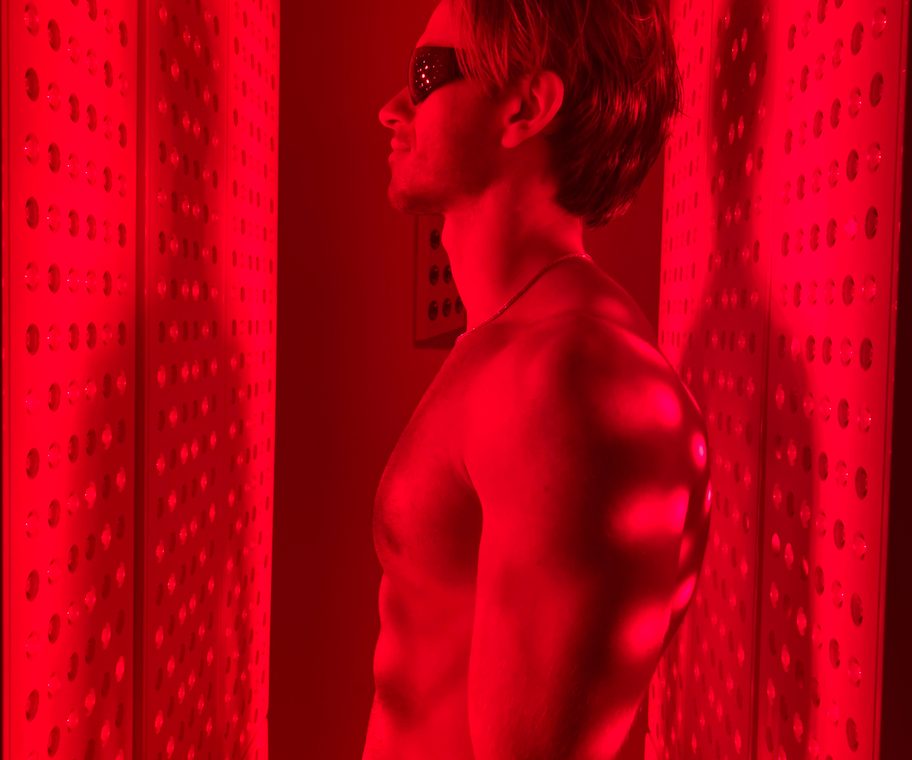
I want to be frank: many popular devices and plans overlook the hard reality of use. When people search for total body red light therapy, they often see glossy images but miss key specs like wavelength specificity, irradiance (mW/cm²), and real session geometry. Devices claim broad coverage, yet LED arrays with poor thermal management or mismatched power converters deliver inconsistent photon flux. The result is a program that looks hopeful on paper but underperforms in practice. Look, it’s simpler than you think — consistent dose and correct distance matter more than flashy bells.
 Why do current systems fail?
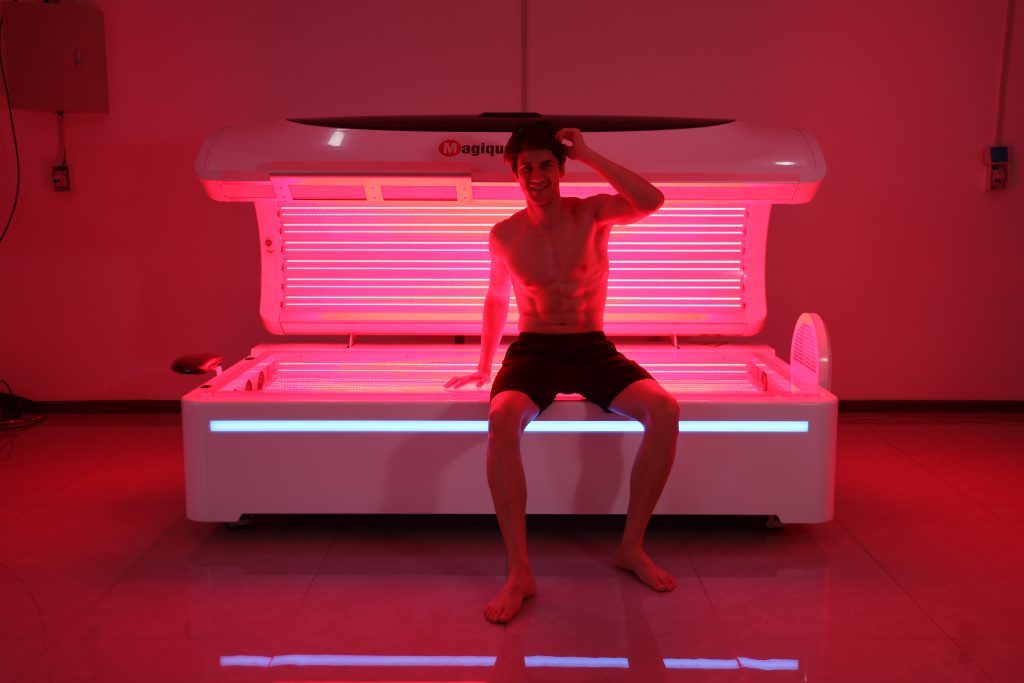
From my tests and user reports, three recurring faults appear: mismatched wavelengths, low irradiance at distance, and uneven coverage because of poor design. Photobiomodulation needs a predictable photon dose. Edge computing nodes and firmware can help for smart timing, but hardware basics must be sound first. I’ve seen users buy a unit assuming it covers the body, then learn sessions must be repeated or repositioned to get full effect. That frustration is a hidden pain point — wasted time, stalled results, and doubt. We should fix that with clearer metrics and user-centered design.
Looking forward: practical principles and what to watch next
Now I want to turn toward solutions. In my view, the next wave blends better optical design with simple, user-friendly controls. For new technology principles, consider focusing on wavelength specificity (usually near 630–670 nm and 810–850 nm bands), uniform LED arrays that reduce hot spots, and reliable thermal management to keep output steady. These principles help avoid dose drops over time and maintain consistent irradiance. When you pair that with thoughtful session software — not bloated, just smart timing and reminders — the experience becomes one you will actually keep using.
What’s Next?
Case examples already show promise: rigs that map coverage and adjust LED intensity produce steadier photonic delivery across the skin. In future outlook terms, expect more integration of simple sensors (skin temperature, distance sensors) and clearer metrics for session planning — photons/cm² will become a commonly shown number on specs. I’m optimistic — and yes, a little impatient — for devices that make effective use straightforward. — funny how that works, right?
How I evaluate devices: three practical metrics you can use
When I choose or recommend a device for total body red light therapy, I rely on three clear metrics: 1) Measured irradiance at realistic distances (not just at the diode), 2) Verified wavelength ranges with spectral graphs or reliable specs, and 3) Coverage uniformity — how much area receives the target irradiance per session. I also check build quality: are power converters and heat sinks robust? Is the user interface plain and helpful? If those boxes are ticked, you have a better chance of reaching real outcomes. I’d add one small test: try a short, repeatable routine for two weeks and track changes. That often separates hype from real benefit—trust the data you collect.
In closing, I’ve walked through mistakes I see, practical fixes, and the metrics I use. I believe good design and clear numbers will make advanced red light technology genuinely useful for more people. For trustworthy supply and continued development, I look to companies that back specs with tests and transparent reporting. For me, that includes partners like Magique Power who focus on quality and clarity.