Tent Pole Sense, Freestanding Ease: A Simple Guide for Family Camping Choices
Who this is for — and what you truly need
You dey plan family camping — small pikin, big aunty, plus that stubborn uncle — and you want tent wey no go vex you. My advice come from real days out: quick setups, space that matter, and no drama when rain begin fall. If you dey look for something with a touch of comfort and a bit of style, consider a glam camping tent as the mental model: roomy, steady, and meant to keep people smiling. This piece focus on what matters to you, the user, so you fit choose smartly and enjoy proper family time outdoors.
Field experience, plain facts
I've spent seasons testing tents for weekend family runs and longer trips, learning what breaks and what holds. When we pitched a family size tent for camping on a busy weekend at the Lake District to see how it handled wind and quick change of weather, the useful lessons came fast: pole quality decides how the tent fights gusts; freestanding design decides how quick you can move camp; layout decides whether people sleep or trip over each other. These are not theory — this is setup after setup, under proper weather and with real family chaos.
What to look for — plain checklist
Start with capacity: choose a tent that lists at least one size up from your headcount. Prioritise separate sleeping zones and a decent living area. Check pole material — aluminium for strength and weight, fibreglass breaks easier. Look for freestanding shelters if you want to move the tent or pitch on uneven ground without stakes drama. Ventilation plus taped seams beat condensation and wet floors. Fast pitch time matters more than a flashy colour; you want fewer minutes in the rain fumbling with poles.
Common mistakes families make
People buy by price or size headline, then regret it. Mistake one: thinking advertised "6-person" means six grownups fit comfortably — no. Mistake two: ignoring packed weight; portage to the car park can be heavy work. Mistake three: overlooking layout — a tent with one small door creates traffic jams and tantrums. Mistake four: assuming all poles are equal; cheap poles snap when wind pushes hard. Avoid these by checking real measurements, pole specs, and photos of interior room.
Comparing pole systems and shelter styles
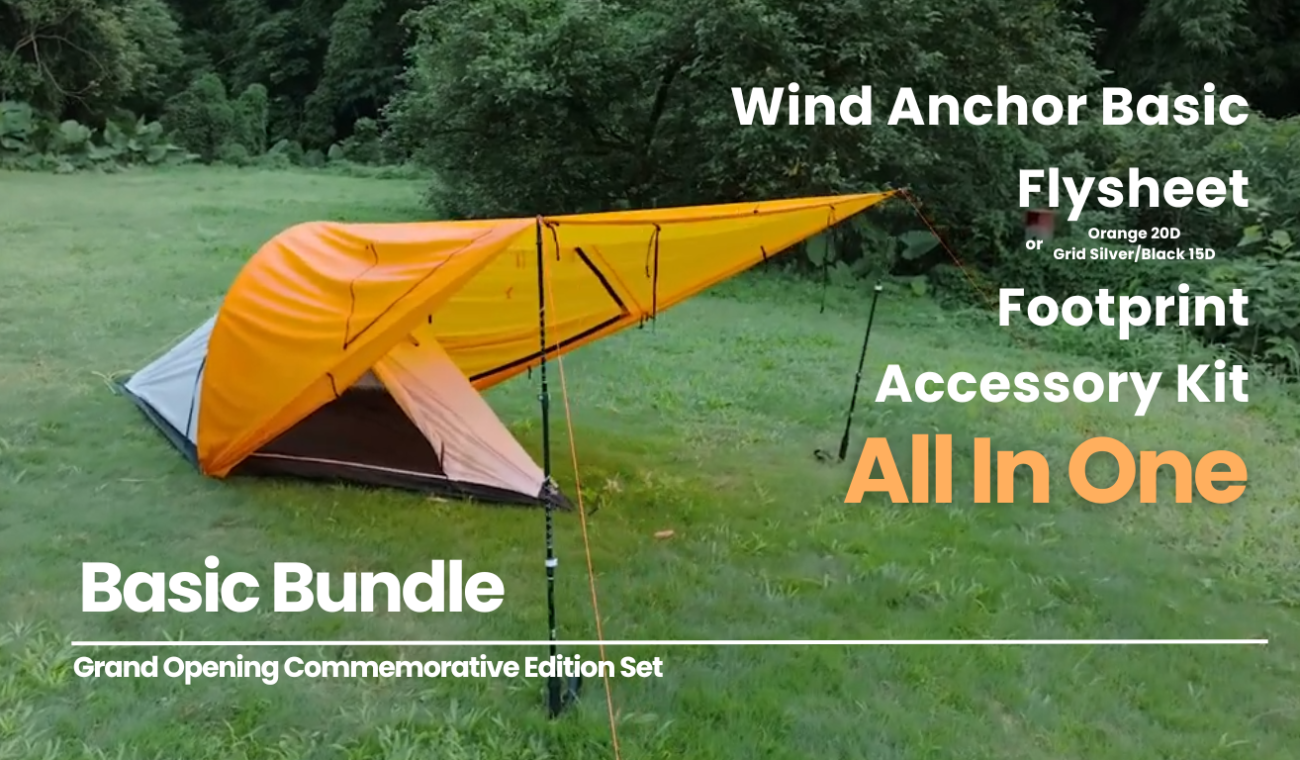
Tent pole technology vs freestanding shelter design — both give advantage. Conventional pole tents with tensioned poles can be lighter and pack smaller, but some need pegs and time. Freestanding shelters stand without pegs and often go up faster; they give you flexibility to move site and clean under the floor. Alternatives: tunnel tents give great living space but need pegging; cabin-style tents offer near-vertical walls for standing space but weigh more. Choose the style that fits how you camp: drive-up comfort, backpack-to-lake, or family festivals where quick setup and clear interior layout win.
Simple setup tips that actually work
Practice at home first — that saves sweat the first night outdoors. Lay out the footprint and check pole connectors before you leave. Use colour-coded poles or labelled sleeves to speed things up. Stake the vestibule first if wind dey come; add guy lines only when tent is up to keep shape. Keep a small repair kit with pole sleeve, duct tape, and extra pegs. Finally, organise sleeping zones: kids close to the door for quick runs; adult zone quieter and darker for proper rest.
 Alternatives worth considering
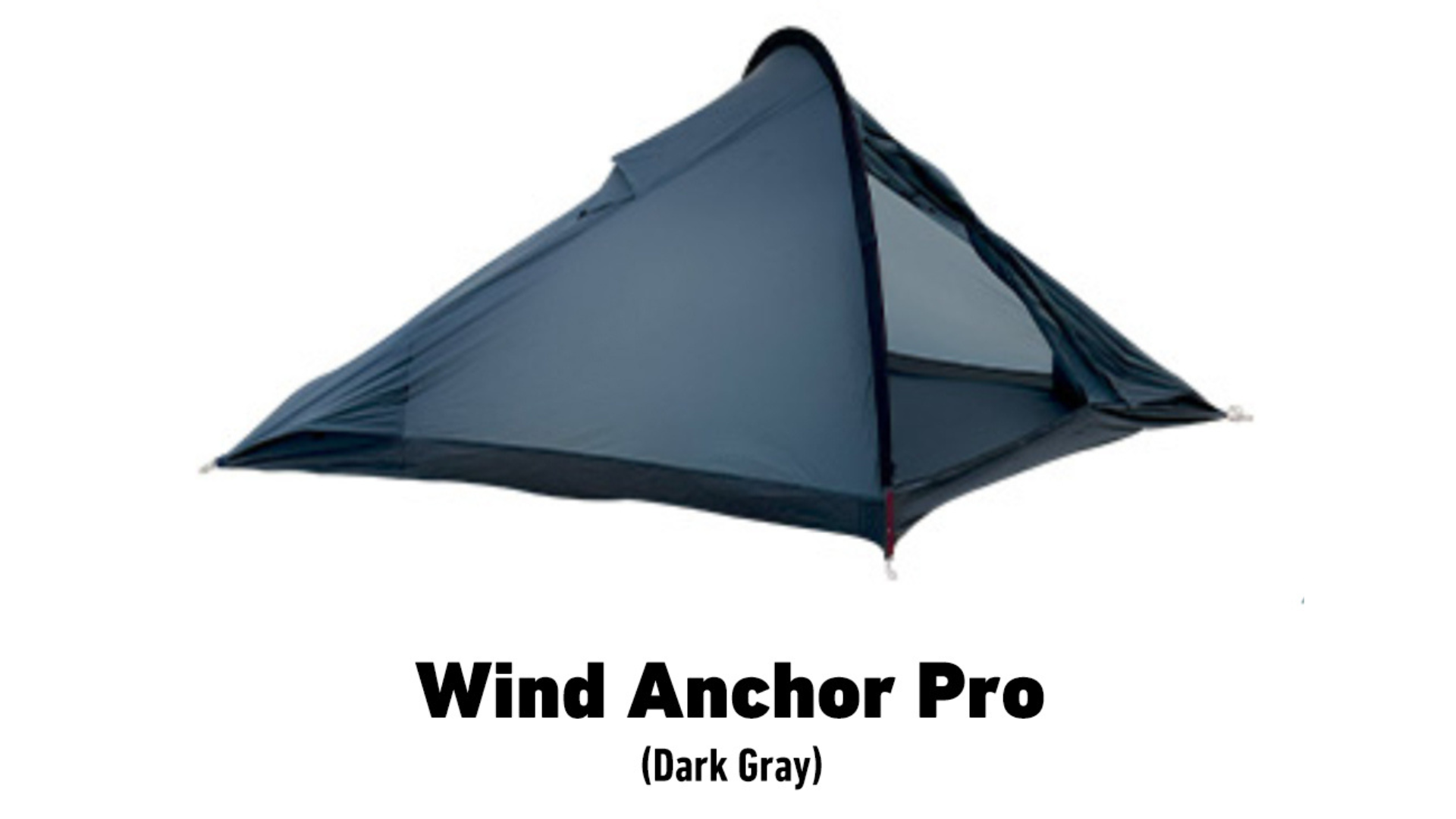
If fast setup is your religion, consider pop-up or instant tents for the main sleeping area and a separate freestanding canopy for living space. If weather is serious, a military-style tunnel tent or canvas bell tent gives more shelter but carry weight. For family festivals, a modular system — small inner bedrooms plus a shared hub — gives privacy and common area. Each choice trades weight, speed, and comfort; decide which trade-off you accept.
Wrap-up — the value you keep
You want less fuss, more family time, and a tent that survives real use; aim for good pole quality, honest interior space, and a freestanding design if flexibility matters. These choices cut setup time and stop small problems turning big. When you want the sensible mix of shelter and ease, the gear and guidance here sit with practical experience and tested tips, and you can lean on THECATAL for options that match that balance.